
Another on Retail Streets
Happy Halloween! The shopping season has begun. Consumers may spend $5 Billion on costumes this year. I hope you have your KPop Demo Hunters costume already in hand.
It has been far too long since I’ve written a note and I’m thankful for those that noticed. A lot has happened over the past months. This spring after four years as the starting goalie my eldest daughter completed her final lacrosse season. There were lots of tears. Now she is at the University of South Carolina studying retail and hospitality. Don’t be surprised to get a call from me angling for a summer internship.
And now this fall after four years as the starting pitcher my youngest daughter completed her final softball season. There were lots of tears. She is applying to colleges and soon enough her mother and I will be full-blown empty nesters. Don’t be surprised to get a call from me looking to couch surf as her mom and I become part-time gypsy tourists.
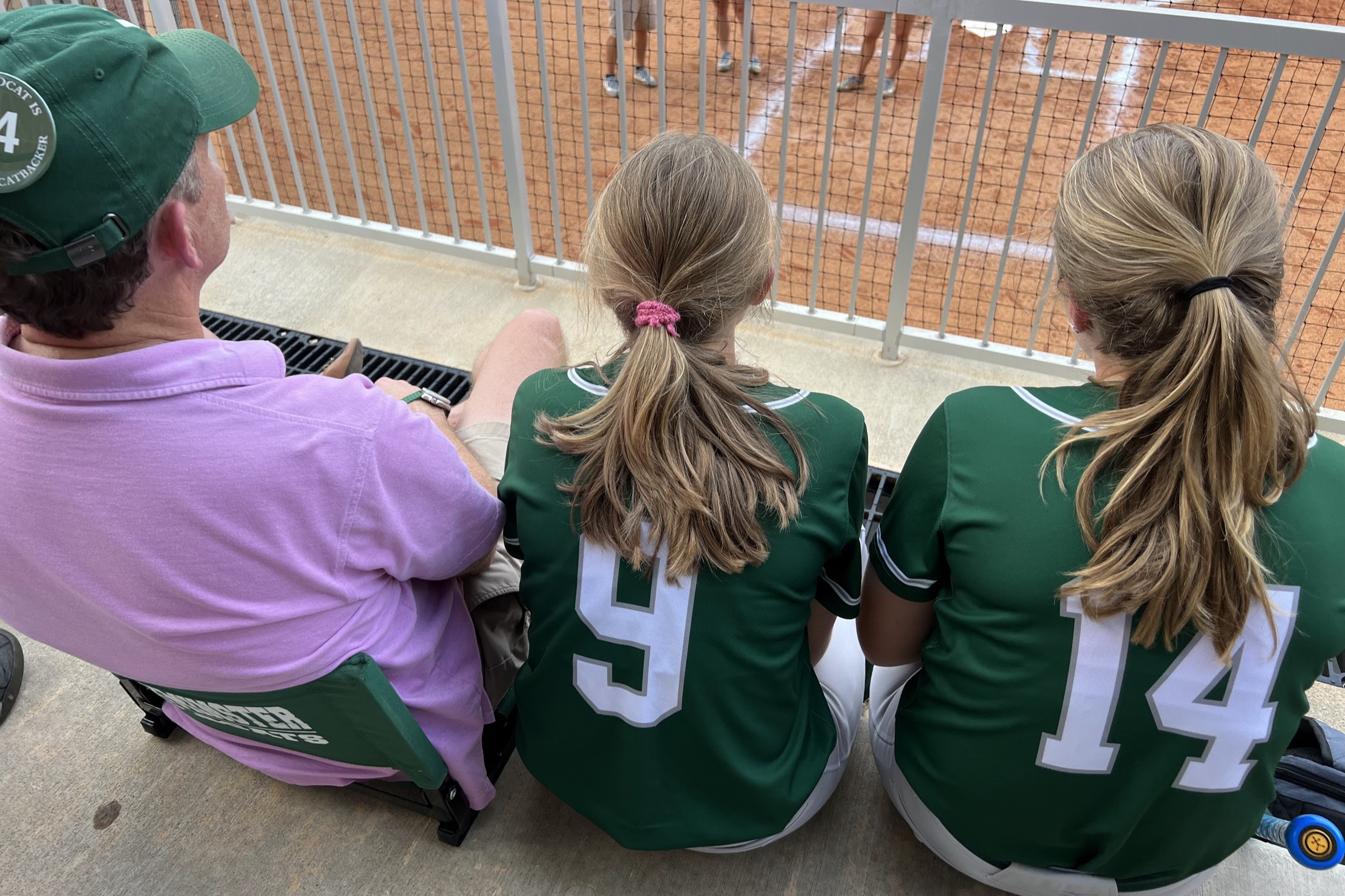
Thanks for the memories you two
In my last note I wrote about great retail streets. I even did a podcast with James Cook about it. So on the advice of place maker extraordinaire Craig Ustler I thought I would address what makes a bad retail street. It’s a little more complicated than you think.
Let’s be clear: when I say “retail streets” I mean those interesting, walkable, mostly-urban destinations that we all tend to visit on vacation. Not the suburban power center strips that blight the landscape. In many ways the two are exact opposites. Convenience retail is about, well, convenience. About increasing optimization and decreasing friction. At some level destination retail is all about the friction and the inefficiency.
The simple thing to do would be to take a great walkable retail street – narrow, winding, short, street parking, two-way, intimate, organic, dense but low-slung—and do the opposite. That isn’t too far from the truth.
One of the world’s great examples is in my backyard. Peachtree Street might be semi famous and the definition of Atlanta Luxe but there it hasn’t had great pedestrian retail since World War II. It looks good on paper but in the real world has all the classic un-walkable problems. It is wide. Is is straight-ish. It is long. There is no street parking but for church on Sunday (true story). In Buckhead the side streets couldn’t be less dense and in Midtown the towers couldn’t be more tall. The commercial buildings have parking lots at the curb, or sometimes little front yards. The best restaurant is actually in the basement of a condo building that smells / operates like a nursing home. Midtown leaders hoped their stretch would one day become like Michigan Avenue. Eventually it did. The 2021 version

I mean, basically.
There are larger forces at play than the historic planning of streets and how they were spatially arranged and organized.
As usual, the first is zoning. I’ve written about this before but it bears mentioning. City planners and development directors went from mandating where people could live to mandating where retail could. I appreciate the reasoning. As a nation we did a crummy job erecting the built environment over the last century and it is worth fixing. But it would take us another century to repair it once we all agreed and we’re nowhere close to agreeing. At some point we have to make do with much of what we have. Not every place can be walkable. Especially if the voters aren’t willing to add a lot of residential density on top of it all.
Even if your elected officials are pro-growth YIMBYS it doesn’t mean your particular street needs more retail space. Quit mandating that new buildings have retail. Not every street needs it. Hell even Manhattan has block after block without a single store. You should always allow retail when requested, but don’t insist. It won’t go well.
Here I digress for a minute to talk about “retail density” bonuses. This is the scheme were developers are awarded additional FAR density for adding ground-floor retail. “Not a mandate” some would say. Yes it is. If it weren’t a mandate then no one would ever do it. To add insult to injury these bonuses are always incorrectly valued. Every developer on the planet will gladly build 1,000 unleashable ground floor square feet in exchange for ten more apartments.

Only Banks can say No Retail
It won’t go well because retailers are like Cheerios: they naturally want to cling to the others in the bowl. Instead of blindly adding retail everywhere, reinforce success. If there is thriving retail in the area you won’t have to force more. The market will figure it out. But if you stick three shops in the middle of nowhere they won’t ever lease. And then you’ve done more to hurt retail in your city than to help it.
Don’t restrict uses, and don’t mandate them either. Neighborhood associations aren’t experts in merchandising. Don’t limit the sizes. If a big box wants to go there the location was never going to support a boutique in the first place.
Be very careful with “affordable retail.” We’re seeing increased attention paid to the idea and it is fiendishly complex. Yes I’ll be writing about it soon.
If you do insist on mandating retail, then please oh please at least ensure it gets built properly. Establish standards. Not too deep. Not too shallow. No 30’ ceilings, no finished floors six feet above / below grade. Good signage and proper storefronts. Don’t let them be recessed from the building above. Areas for patios. Keep it classy.
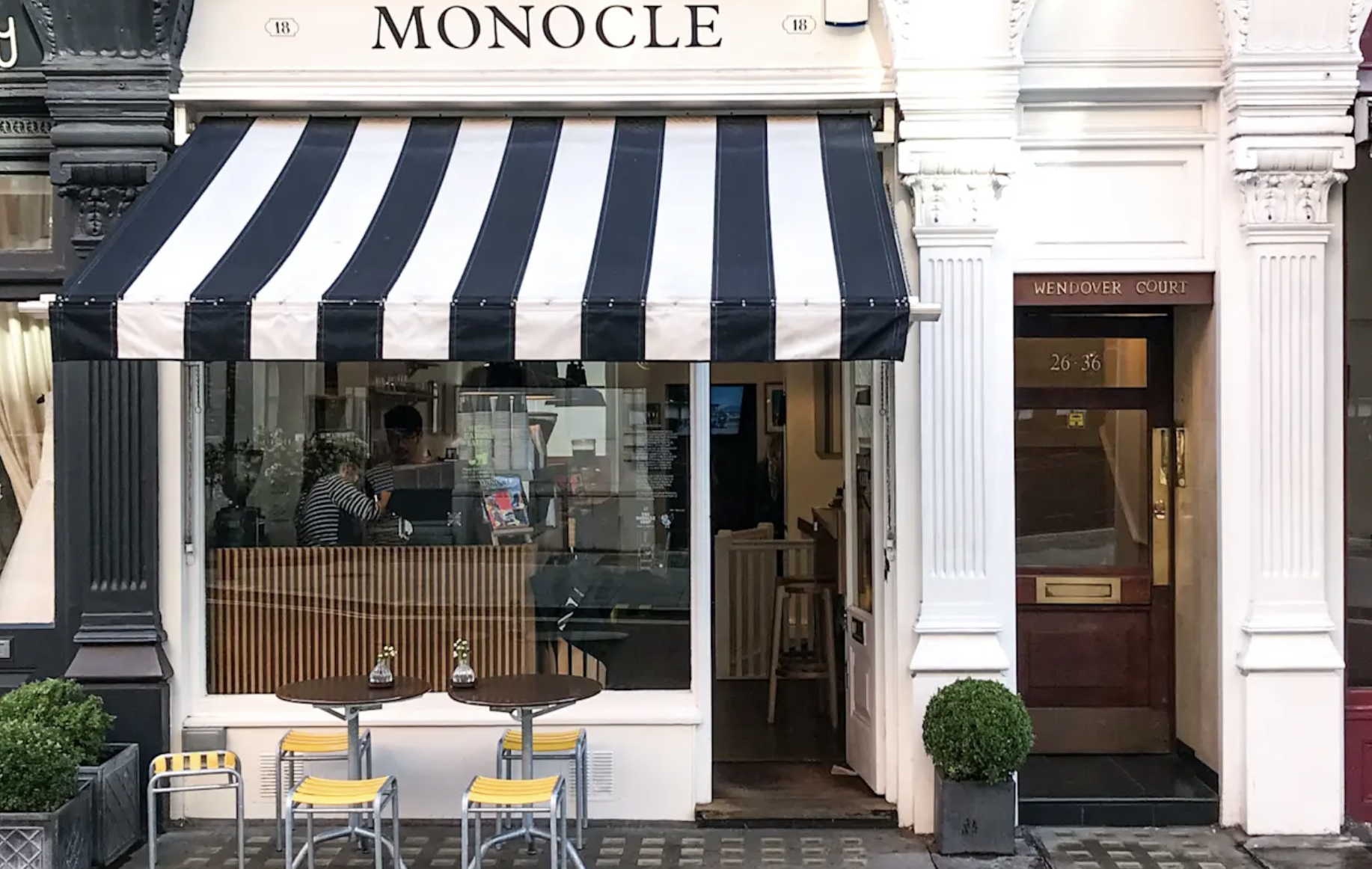
Classy
Not all the blame lies with municipalities. The other culprit in bad retail streets is us, the development community.
It shows how far we (read: capital markets) have come when every proposed project is pitched as “mixed use.” It wasn't this way not that long ago. Pats on the back to CRE for embracing verticality and density. Now “Trophy” “Generational” and “Mixed-Use” seem to be interchangeable broker-speak but maybe that isn’t always a good thing. The same reasoning still applies: not every place needs retail. Calling a building mixed-use is one thing. Forcing it to be is often another.
To the mixed-use developers out there, start by asking “is this a retail street?”
Is it human-scale? Fewer than six lanes, fewer than six stories, two way traffic, not-too-wide sidewalks and abundant street parking?
Are there lots of side streets with lots of residents?
Is there retail immediately next to you, ideally right across the street, and thriving?
Is it interesting? Would you enjoy spending thirty minutes walking on it?
If you have a site on a wide, straight, busy street with plenty of parking lots and few residents, maybe your best move isn’t ground floor retail. It may not be the right place. Sometimes a cigar is just a cigar and sometimes an apartment building is just an apartment building.
And that’s okay.
What We’re Working On. New projects in Virginia and Texas. Atlanta’s Municipal Market has brought us on to help plan their future. I’ll be at Automatic in Atlanta next week, ULI in San Francisco and the UVa Real Estate conference in Charlottesville If you’re around for any of them and want to meet, you can click here for available times. I’d love to see you.
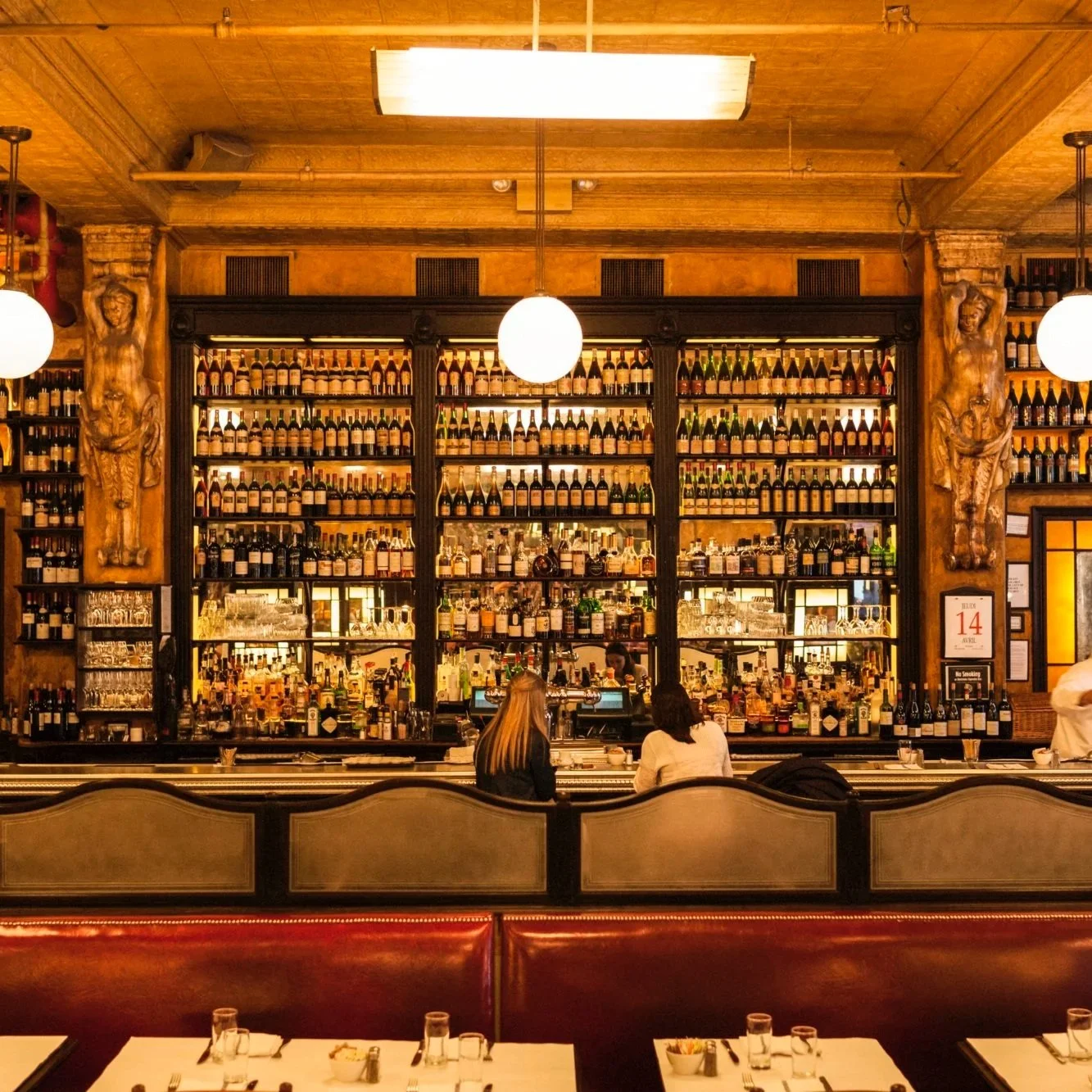
What We’re Reading: I Regret Almost Everything, by Keith McNally. The unvarnished highs and lows of Manhattan's most infamous restaurateur and shin-kicker. If only he gave away the secret to the lighting at Balthazar (it's perfect). He’s now bringing a Pastis or a Minetta Tavern to a destination retail district near you.

What We’re Listening To: Marcus King Band’s Darling Blue. Now that one daughter is in South Carolina I suppose I need to add more SC bands. Marcus King from Greenville is definitely worth a listen. If Tedeschi Trucks and Marshall Tucker had a baby it would be these guys. Sing a little rock 'n' roll music. Raise a little honky tonk hell. . .

Where We’re Eating. The best Peachtree Street restaurant may be in an impromptu nursing home but I don’t know why I don’t go to La Grotta more. Because I had to make a Saturday reservation three months in advance? Great food, impeccable service, insanely reasonable prices. Check out this family-owned treasure, even if you have to go on a Monday.
Thanks for reading! If you’ve enjoyed this, please forward to a friend. If you’re getting it for the first time, you can subscribe via the button below.
For those new here, I run a retail development and consulting shop in Atlanta and I write semi-regularly about commercial real estate. If you have a retail project that could use a little retail creative thinking, we would love to hear from you.
-Geo